
SOUTH LAKE TAHOE, Calif. (WJW) — A black bear has been “removed” following an attack on a camper in a state park near Lake Tahoe, the California Department of Fish and Wildlife (CDFW) reported.
The bear — which had “a long history of human conflict,” according to CDFW — reportedly broke into a trailer on June 22 in search of food and injured a camper who was attempting to get the animal out of the space by yelling and banging pots and pans. The woman had to be taken to the hospital for treatment on cuts and bruises.
The same day, the bear ripped open a campervan where teens were sleeping and was “harassing” other people at the Eagle Point Campground, CDFW said.
Earlier in the month, the same bear had reportedly gotten inside a vehicle where a child was in a car seat. Multiple agencies had then tried to move the bear away from human areas at Emerald Bay State Park but she was undeterred.
All of this led the bear being deemed a “public safety bear” and it was euthanized on June 23.
“As wildlife professionals who devote our careers to the health and well-being of California’s fish and wildlife species, euthanasia is a measure of last resort,” Morgan Kilgour, regional manager for CDFW’s North Central Region, said in a statement. “Our foremost responsibility, however, remains the protection of human life and the safety of the Tahoe region.”
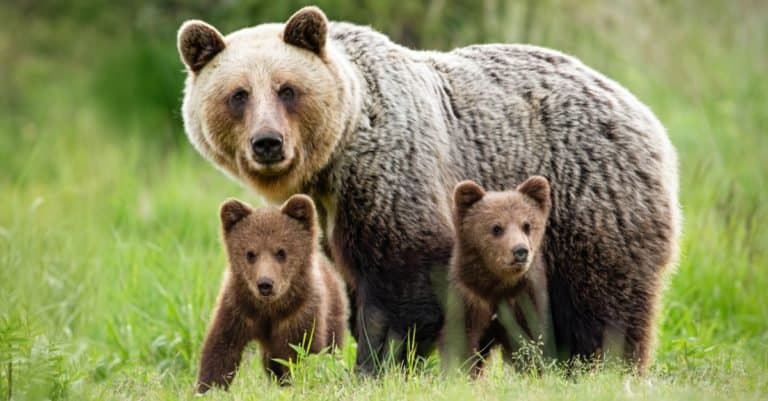
The bear was a mother to two 5-month-old bear cubs, which have since been taken to a wildlife rehabilitation facility.
This article by Laura Morrison was first published by Yahoo News on 1 July 2025. Lead Image: Getty Images photo.
Wildlife in catastrophic decline
The 73% decline in vertebrate wildlife populations during the last 50 years (mammals, birds, amphibians, reptiles and fish), is primarily driven by human activities that threaten biodiversity.
Habitat Loss and Degradation – human activities like deforestation, urbanization, and agriculture have led to the destruction and fragmentation of natural habitats, reducing the space and resources available for wildlife.
Pollution – air, water, and soil pollution from industrial activities, agriculture, and other sources can harm wildlife directly or indirectly by affecting their habitats and food sources.
Climate Change – changing weather patterns, rising temperatures, and sea levels are disrupting ecosystems and impacting species’ ability to adapt and survive.
Overexploitation of Resources – unsustainable hunting, fishing, and logging practices can lead to the depletion of populations and the loss of biodiversity.
Invasive Species – the introduction of non-native species can disrupt ecosystems, compete with native species, and threaten their survival.
 Donate
Help to protect wildlife by donating as little as $5. Our conservation partners spend at least 80 percent of the money raised on actual fieldwork rather than administration and fundraising.



Leave a Reply